

Introduction
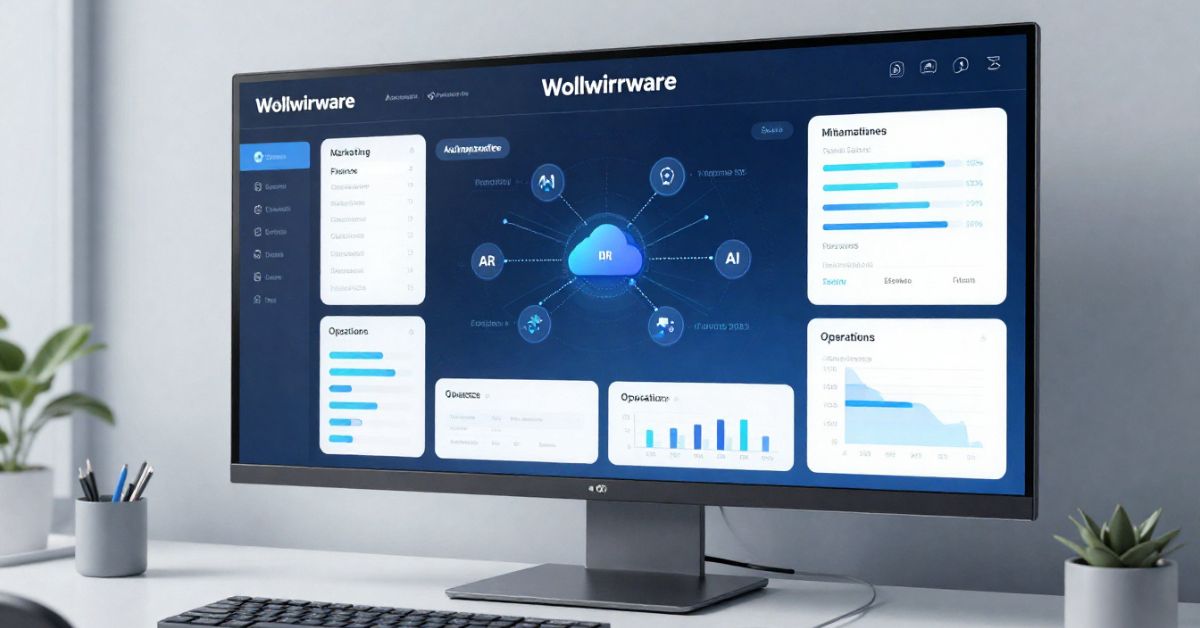
Digital transformation has reshaped how businesses operate, collaborate, and deliver value. Amid this shift, new concepts continue to emerge that describe innovative approaches to managing technology ecosystems. Wollwirrware is one such concept, representing a structured approach to adaptive digital workflow systems.The Wollwirrware explained in a simple, professional way refers to a framework where digital systems learn from user behaviour and evolve to improve performance and efficiency. It connects tools, automation, and analytics into a cohesive structure that reduces friction and enhances productivity.
In 2025, organisations are increasingly moving beyond static systems. They require adaptive, integrated workflows that evolve alongside business needs. This guide explains the meaning of Wollwirrware, its foundational principles, and how it aligns with modern digital operations.
What Is Wollwirrware?
A hypothetical approach for adaptable digital workflow architecture is called Wollwirrware. It refers to an integrated system strategy that prioritises automation, flexibility, and continual improvement rather than a single software product.
At its core, the concept revolves around three key ideas:
- Systems should adapt to user behaviour.
- Workflows should integrate across platforms.
- Automation should reduce manual repetition.
Unlike rigid task management tools, this approach encourages interconnected digital ecosystems that evolve based on performance data.
It prioritises adaptability over static design.
The Philosophy Behind Wollwirrware
The philosophy centres on reducing digital fragmentation. Many organisations operate with disconnected tools that require manual updates and repetitive actions.
Wollwirrware encourages structured integration where systems communicate automatically.
For example, when a CRM entry updates, it can trigger:
- Task assignment
- Notification alerts
- Analytics dashboard adjustments
- Financial system synchronisation
This creates a responsive ecosystem rather than isolated software modules.
The philosophy supports clarity, scalability, and resilience.
How Wollwirrware Connects to Modern Digital Workflows
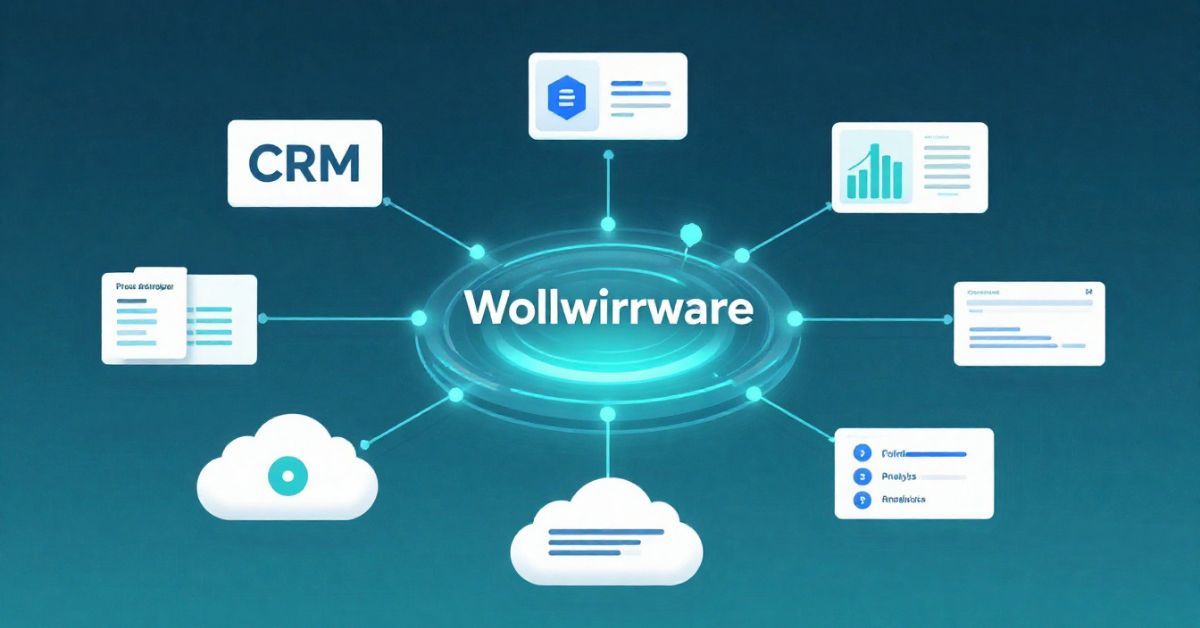
Modern digital workflows depend on integration between multiple platforms. These often include project management tools, communication systems, analytics dashboards, and customer management software.
Wollwirrware-style systems emphasise:
- API-driven connectivity
- Cloud-based infrastructure
- Automated triggers
- Centralised monitoring
| Workflow Element | Traditional Model | Wollwirrware Model |
| Data Transfer | Manual | Automated |
| System Integration | Limited | Cross-platform |
| Performance Tracking | Reactive | Real-time |
| Scalability | Rigid | Flexible |
The integration focus ensures seamless coordination.
Core Characteristics of Wollwirrware Systems
Several defining characteristics differentiate this model from traditional workflow systems.
Adaptive Learning
Systems adjust based on behavioural patterns and performance metrics.
Modular Architecture
Components can be added or modified without rebuilding infrastructure.
Automation-First Design
Routine tasks trigger automatically rather than requiring manual intervention.
Centralised Visibility
Real-time dashboards provide actionable insights.
| Characteristic | Operational Benefit |
| Modular Design | Easier scaling |
| Behavioral Analytics | Continuous improvement |
| Cloud Infrastructure | Flexible deployment |
| Workflow Automation | Reduced manual workload |
These characteristics align with modern enterprise needs.
Practical Applications in Business
Wollwirrware principles can be applied across industries.
In marketing departments, adaptive workflows optimize campaign performance based on engagement metrics. In finance, automated reporting updates financial dashboards in real time. HR departments can automate onboarding processes.
Businesses benefit through:
- Faster decision-making
- Reduced duplication
- Enhanced collaboration
- Improved compliance tracking
The model supports operational efficiency without sacrificing oversight.
Comparison with Traditional Workflow Systems
Traditional workflow systems rely heavily on manual updates and siloed processes.
In contrast, Wollwirrware emphasises interconnected intelligence.
The contrast highlights the value of integration.
Technology Stack Supporting Wollwirrware
Adaptive systems rely on advanced infrastructure.
Key components often include:
- Machine learning engines
- Cloud-based processing
- API gateways
- Secure data encryption
- Real-time analytics engines
Together, these components create scalable ecosystems capable of continuous optimisation.
The technology layer remains invisible to end users but essential to system performance.
Benefits and Challenges
Benefits
- Increased productivity
- Reduced human error
- Better scalability
- Enhanced collaboration
- Stronger compliance tracking
Challenges
- Requires initial system mapping
- Integration complexity
- Data governance considerations
- Security oversight
Successful implementation depends on strategic planning.
Security and Data Governance
Adaptive systems process significant volumes of operational data. Security and compliance are therefore essential.
Best practices include:
- End-to-end encryption
- Role-based access control
- Audit logs
- Data privacy compliance
Organisations must ensure regulatory alignment when implementing interconnected digital workflows.
Future Outlook of Wollwirrware
As digital ecosystems expand, adaptive workflow models are expected to become standard practice.
Emerging trends include:
- AI-driven predictive task routing
- Autonomous optimisation systems
- Smart resource allocation
- Behavioural pattern forecasting
According to Gartner’s 2025 digital workplace report, integrated workflow automation improves enterprise productivity by measurable margins.
Wollwirrware aligns with these forward-looking innovations.
FAQs
What does Wollwirrware mean?
It refers to an adaptive digital workflow system model.
Is Wollwirrware software?
It describes a conceptual framework rather than a single tool.
Who benefits from Wollwirrware principles?
Businesses seeking scalable, automated digital workflows.
Does it require cloud infrastructure?
Cloud-based systems enhance scalability but are not mandatory.
Is Wollwirrware suitable for small teams?
Yes, modular systems allow gradual adoption.
Conclusion
Wollwirrware represents a modern approach to digital workflow design. By emphasising integration, automation, and adaptability, it addresses the challenges of fragmented systems and inefficient processes.
As organisations continue embracing digital transformation, adaptive ecosystems will become foundational rather than optional. Structured, intelligent workflows enable teams to operate more efficiently while maintaining clarity and control.