

Introduction
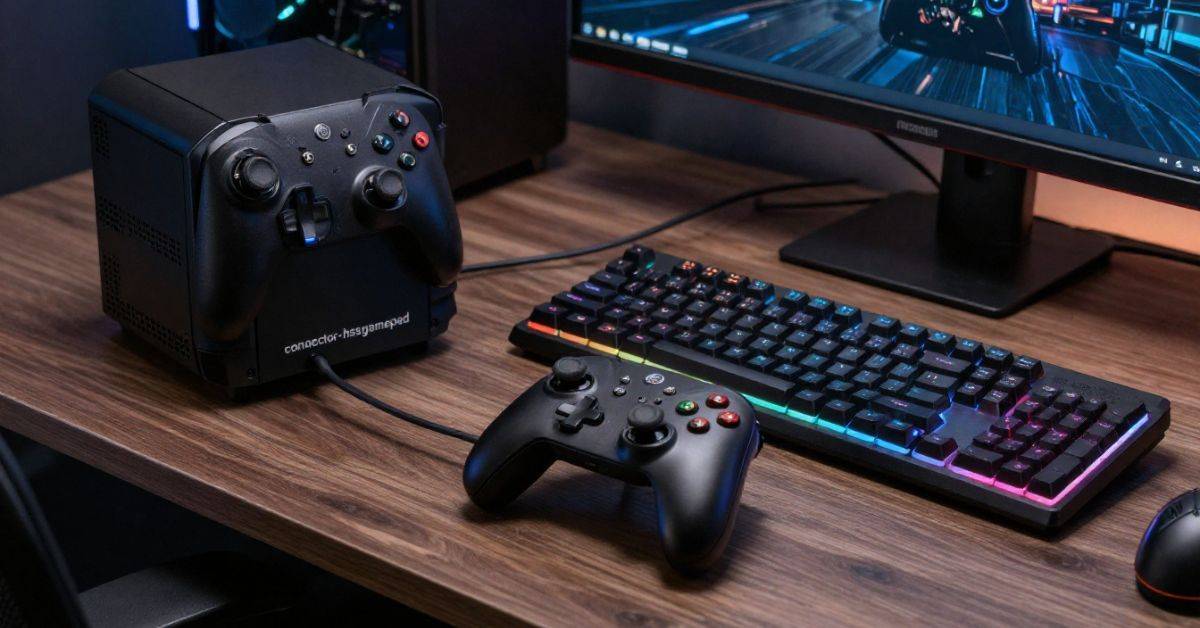
Modern gaming demands precision. Whether you are competing in esports tournaments or enjoying immersive single-player experiences, input responsiveness directly affects performance. Mastering your Connector HSSGamepad setup ensures your commands register instantly, your sessions remain stable, and your hardware functions at peak efficiency.
In today’s competitive landscape, milliseconds can determine the outcome of a match. Lag, signal drops, or misconfigured hardware can disrupt performance and create frustration. The Connector HSSGamepad exists to reduce these risks by offering optimized signal routing, improved compatibility, and reliable device communication.This guide explores how the connector system works, how to configure it correctly, how to troubleshoot common issues, and how to optimize your gaming environment for maximum responsiveness.
Understanding the Connector HSSGamepad System
The Connector HSSGamepad is not just a simple cable or adapter. It functions as a dedicated interface system that improves communication between your controller and gaming platform. Instead of relying solely on standard Bluetooth or generic USB connections, this system is designed to optimize input signal transmission.
At a technical level, it focuses on:
- Minimizing signal delay
- Enhancing cross-platform compatibility
- Maintaining consistent communication during high-load sessions
- Supporting firmware-level optimization
The difference becomes noticeable in fast-paced games where split-second reactions matter.Unlike conventional adapters that simply transfer signals, the Connector HSSGamepad aims to refine and stabilize them.
Why Input Latency Matters More Than Ever
Latency refers to the delay between pressing a button and seeing the corresponding action on screen. While casual gamers may tolerate minor delays, competitive players cannot.
In esports environments, even a delay of 10–20 milliseconds can influence timing-based mechanics such as:
- Precision aiming
- Parry or counter systems
- Combo chains in fighting games
- Racing line adjustments
Research in gaming hardware optimization indicates that stable wired connections often reduce latency below 5 milliseconds, while standard Bluetooth connections may fluctuate depending on interference.
Reducing latency enhances muscle memory reliability. When response times are consistent, players develop better rhythm and control.
Setting Up Your Connector HSSGamepad Correctly
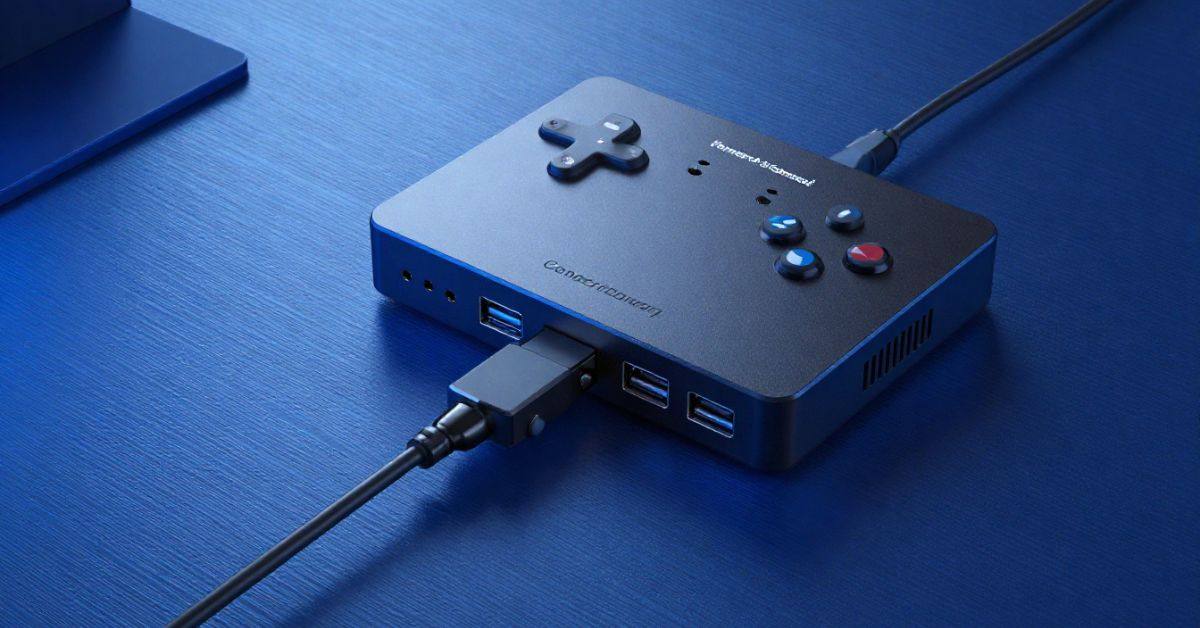
Proper configuration is essential to unlocking full performance. Many users overlook firmware updates or incorrect port usage, which can impact responsiveness.
A structured setup process typically includes:
- Connecting the device to a recommended high-speed port.
- Installing the latest drivers compatible with your platform.
- Updating firmware through official software tools.
- Calibrating button inputs within system settings.
- Testing responsiveness through in-game benchmarks.
| Setup Component | Performance Impact |
| Firmware Update | Stability improvement |
| Driver Installation | Signal accuracy |
| Port Selection | Reduced latency |
| Calibration | Input precision |
Taking time to complete each step carefully reduces long-term issues.
Wired vs Wireless Performance Considerations
While wireless gaming offers convenience, wired connections often provide superior stability. The Connector HSSGamepad supports both, but performance outcomes differ.
Wired setups generally deliver:
- Lower consistent latency
- Reduced interference
- Stable high-frequency polling rates
Wireless options provide flexibility but depend on signal quality and surrounding electronic interference.
| Connection Type | Stability | Average Latency |
| Wired USB | Very High | 2–5 ms |
| Dedicated Wireless Adapter | High | 5–10 ms |
| Bluetooth | Moderate | 8–20 ms |
For competitive play, wired or dedicated wireless solutions remain preferable.
Platform-Specific Optimization
Different systems require tailored configurations. A PC setup may allow deeper polling rate adjustments, while console systems rely more heavily on firmware compatibility.
On PC, optimization may include adjusting polling rates, disabling background applications, and verifying USB controller prioritization. On consoles, ensuring updated system software and minimizing interference are key factors.Mobile platforms often require closing background applications and verifying stable network connections to prevent input lag during cloud-based gaming.Platform-specific adjustments improve overall session consistency.
Advanced Performance Tweaks
Experienced players often fine-tune their controller settings to enhance response speed and comfort. While these adjustments vary by game, several tweaks are common:
- Reducing analog stick dead zones
- Customizing trigger sensitivity
- Increasing polling rate (where supported)
- Disabling vibration feedback to reduce delay
Fine-tuning must be gradual. Over-adjusting sensitivity can compromise accuracy.Consistent testing helps identify the optimal balance between speed and control.
Troubleshooting Common Issues
Even optimized setups may occasionally encounter disruptions. Identifying the root cause quickly prevents prolonged interruptions.
Common issues include intermittent disconnections, input delay spikes, or misaligned button mapping. In many cases, the solution involves updating firmware, resetting pairing configurations, or changing USB ports.Environmental factors such as Wi‑Fi interference or outdated system drivers can also affect performance. Maintaining regular updates and system checks reduces recurrence.Routine monitoring is a preventive strategy rather than a reactive fix.
Hardware Maintenance for Long-Term Reliability
Physical maintenance plays an underrated role in performance. Dust buildup, cable strain, and connector wear can reduce signal quality.
To maintain longevity:
- Keep ports clean and debris-free.
- Store cables properly without sharp bends.
- Avoid exposure to moisture or excessive heat.
- Perform periodic firmware checks.
Consistent maintenance protects both performance and investment.
Comparing Connector HSSGamepad to Generic Alternatives
Generic adapters often focus on cost efficiency rather than performance optimization. While functional, they may lack advanced signal stabilization.
| Feature | Generic Adapter | Connector HSSGamepad |
| Firmware Support | Limited | Regular updates |
| Cross-Platform Stability | Variable | Designed for compatibility |
| Signal Optimization | Basic | Advanced routing |
| Polling Rate Support | Minimal | Enhanced responsiveness |
Dedicated connectors often justify their cost through improved reliability.
The Future of Gamepad Connectivity
Gaming hardware continues evolving rapidly. Innovations such as predictive input buffering, AI-based latency correction, and enhanced haptic calibration may redefine responsiveness standards.
The Connector HSSGamepad reflects this forward-looking trend by emphasizing optimization and adaptability.As hardware becomes more sophisticated, integrated connectivity solutions will remain central to delivering competitive performance.
FAQs
What does the Connector HSSGamepad improve?
It improves controller responsiveness, stability, and cross-platform compatibility.
Is wired always better than wireless?
Wired connections usually offer lower and more consistent latency.
How often should firmware be updated?
Whenever official updates are released.
Can it reduce input lag significantly?
Yes, when configured properly.
Is it suitable for competitive gaming?
Yes, especially when optimized for low-latency environments.
Conclusion
The Connector HSSGamepad is more than a simple adapter—it is a performance tool designed to enhance responsiveness and stability. By understanding proper setup, optimizing configuration, and maintaining hardware, players can significantly improve input reliability.
In competitive environments, consistent responsiveness builds confidence. For casual players, it ensures smoother and more immersive gameplay.