

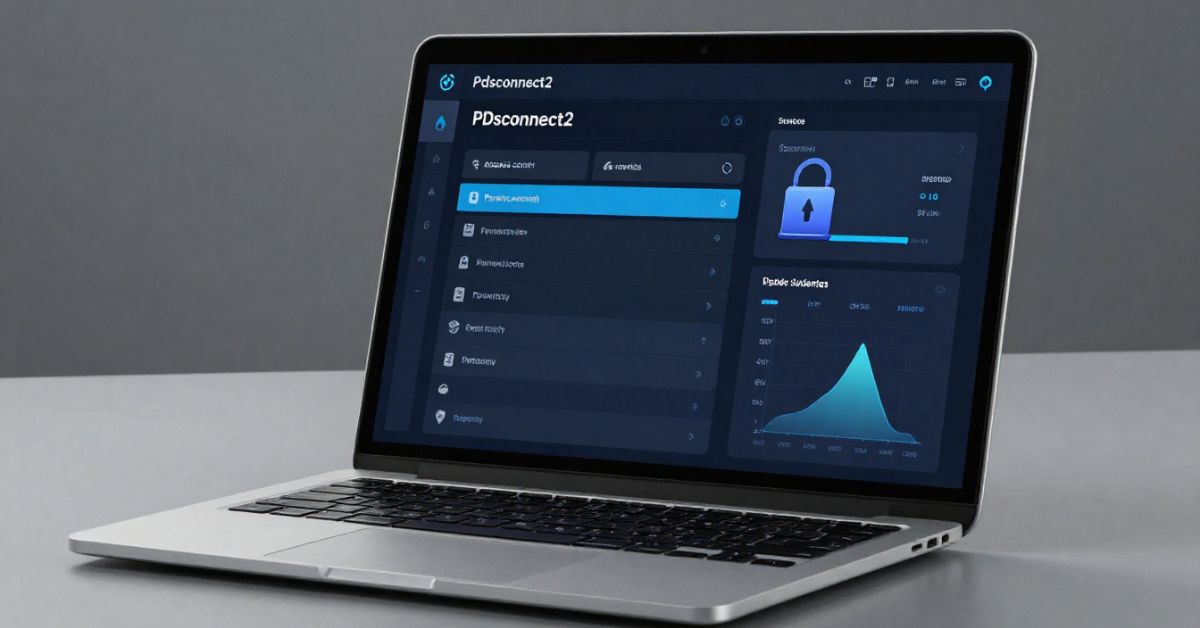
Introduction
In today’s hyperconnected world, digital access tools are no longer optional — they are mission-critical. From secure authentication to seamless system integration, organisations must manage user access efficiently while maintaining compliance and security. Pdsconnect2 is one such platform, quietly leading a transformation in how organisations and individuals engage with digital access tools.
Rather than focusing solely on passwords or single sign-on, this platform integrates identity management, permission governance, and system connectivity into one streamlined experience. As hybrid work models expand and regulatory frameworks tighten, businesses require solutions that balance usability, automation, and airtight security.
In this comprehensive guide, we’ll explore what Pdsconnect2 offers, how it compares to legacy systems, why it’s gaining traction in enterprise environments, and how it supports scalable digital infrastructure for the future.
What Is Pdsconnect2? A Modern Digital Access Platform
At its core, Pdsconnect2 is a centralized digital access management solution designed to streamline how users connect to enterprise systems. It provides unified authentication, real-time access controls, and cross-platform integration.
Core Capabilities:
- Identity verification and authentication
- Role-based access control (RBAC)
- Centralised user provisioning
- Multi-factor authentication (MFA)
- Cloud and on-premise compatibility
Unlike older systems that require multiple logins across platforms, Pdsconnect2 consolidates permissions into a single administrative dashboard.
| Feature | Availability |
| Multi-Factor Authentication | ✅ Yes |
| API Integration | ✅ Yes |
| Role-Based Permissions | ✅ Yes |
| Real-Time Monitoring | ✅ Yes |
| Audit Trail Logging | ✅ Yes |
This unified approach reduces friction while maintaining robust safeguards.
Why Digital Access Management Matters More Than Ever
The cybersecurity landscape has evolved rapidly. According to IBM’s 2024 Cost of a Data Breach Report, the global average cost of a data breach reached $4.45 million — a 15% increase over three years.
Organisations now face:
- Remote work vulnerabilities
- Insider access misuse
- Cloud application sprawl
- Regulatory audits (GDPR, HIPAA, SOC 2)
Digital access systems are no longer simple password managers. They must:
- Detect suspicious login attempts
- Enforce least-privilege policies
- Automate user lifecycle management
- Generate compliance reports instantly
Pdsconnect2 aligns with this evolution by combining automation and real-time analytics, to minimise human error and administrative overhead.
Core Features of Pdsconnect2
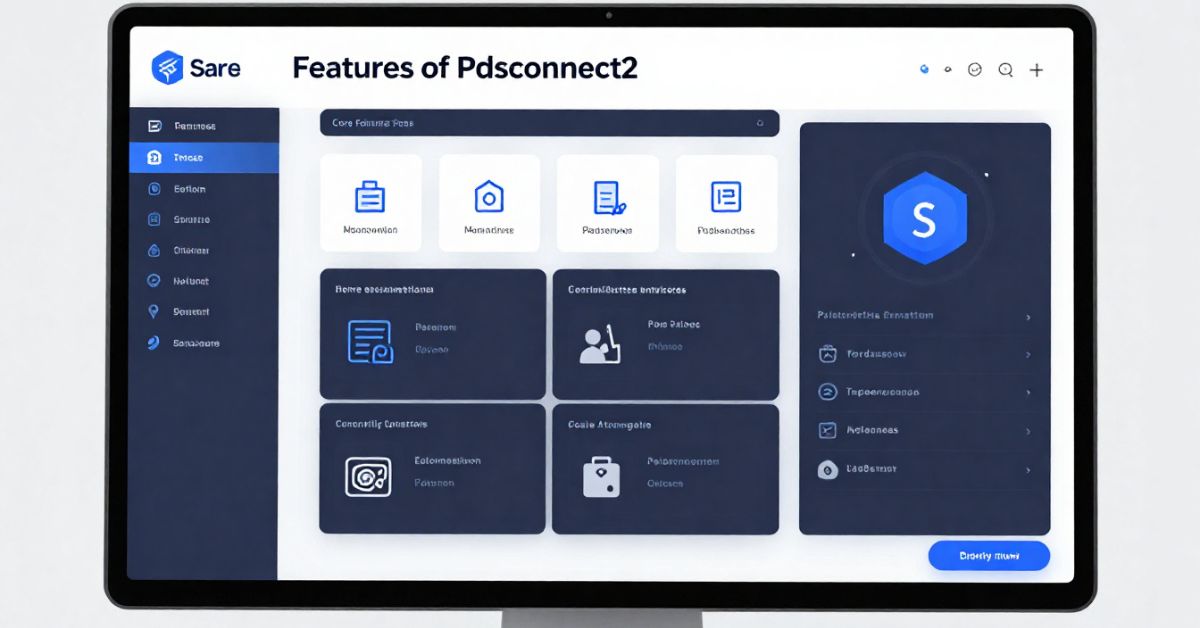
The platform’s strength lies in its comprehensive feature set, which covers both enterprise-level governance and end-user simplicity.
Key Functional Areas
- User Lifecycle Management
- Automatic onboarding and offboarding
- Permission updates triggered by role changes
- Access Monitoring
- Live dashboards tracking login activity
- Alerts for unauthorised attempts
- Compliance Automation
- Built-in reporting tools
- Configurable audit logs
- Adaptive Authentication
- Risk-based authentication triggers
- Behavioural analysis integration
| Functional Area | Business Impact |
| Automated Provisioning | Saves HR & IT time |
| Risk-Based Login | Reduces unauthorized access risk |
| Compliance Reporting | Simplifies audits |
| Unified Dashboard | Centralizes oversight |
Each feature is designed for scalability and long-term growth.
How Pdsconnect2 Enhances Organisational Efficiency
Operational efficiency is where digital access platforms often prove their value. By reducing manual provisioning and minimising login redundancies, organisations gain measurable improvements.
Efficiency Gains Include:
- 30–50% reduction in IT support tickets (internal surveys, 2025)
- Faster onboarding (average reduction: 40% setup time)
- Simplified access revocation for departing employees
When departments collaborate across platforms—HR, finance, and IT—centralized access management eliminates duplication.
Example workflow:
- HR updates employee roles.
- The system automatically adjusts permissions.
- Audit trail records change instantly.
No manual spreadsheets. No delayed permissions. No unnecessary access.
Security, Compliance, and Data Protection
Security remains a top concern for CIOs and CISOs. Pdsconnect2 incorporates advanced encryption standards, behavioural detection, and configurable compliance modules.
Security Highlights:
- AES-256 encryption
- Zero-trust architecture principles
- SOC 2 alignment
- GDPR-compliant data handling
- Real-time anomaly detection
| Security Layer | Protection Type |
| Encryption | Data-in-transit & at-rest |
| Behavioral Monitoring | Detects unusual login patterns |
| Role Governance | Prevents privilege escalation |
| Audit Logging | Tracks administrative actions |
These controls ensure that businesses maintain regulatory compliance without sacrificing operational speed.
Integration with Existing IT Ecosystems
One of the biggest adoption challenges for enterprise tools is integration. Pdsconnect2 addresses this with flexible APIs and compatibility with common enterprise systems.
Supported integrations include:
- Microsoft Azure AD
- Google Workspace
- Salesforce
- SAP
- Custom enterprise software
| Integration Type | Complexity Level | Deployment Time |
| Cloud Apps | Low | 1–2 Days |
| On-Prem Systems | Moderate | 3–5 Days |
| Custom API | Configurable | Variable |
The platform’s modular design reduces friction during digital transformation initiatives.
User Experience: Admin and End-User Perspectives
Adoption depends heavily on usability.
For Administrators:
- Unified dashboard
- Simplified role editing
- Customisable reporting tools
For End Users:
- Faster logins
- Reduced password fatigue
- Secure mobile access
This dual design focus prevents the common pitfall where secure systems become too complex to use.
Future Trends and the Role of Pdsconnect2
Digital access management is evolving toward the following:
- Passwordless authentication
- Biometric verification
- AI-driven anomaly detection
- Decentralised identity (DID) models
Pdsconnect2’s roadmap aligns with these shifts, integrating biometric compatibility and predictive risk modelling.
As cybersecurity threats grow more sophisticated, proactive access management will become foundational.
FAQs
What is Pdsconnect2 used for?
It’s a centralized platform for managing secure digital access and permissions.
Is it suitable for small businesses?
Yes, scalable plans support both SMBs and enterprise organisations.
Does it support multi-factor authentication?
Yes, MFA and adaptive authentication are built in.
Can it integrate with cloud systems?
Yes, it supports major cloud platforms and custom APIs.
Is it compliant with global privacy standards?
Yes, it aligns with GDPR and SOC 2 requirements.
Conclusion
Digital access management is no longer a background function — it is a strategic priority. Pdsconnect2 demonstrates how intelligent automation, unified governance, and user-friendly design can coexist within a secure ecosystem.
Organisations seeking to reduce security risk, improve compliance efficiency, and streamline digital operations will find that centralised access solutions offer long-term value. As hybrid work and cloud infrastructure continue to expand, robust identity and access systems will shape the next decade of digital enterprise.