


Introduction
Digital experiences are no longer static. Modern websites and applications continuously evolve to better serve users. One emerging concept that reflects this evolution is ephads. Ephads is a modern digital idea that means systems can learn from users and change based on their behaviour. It makes websites and apps faster, more user-friendly, and more personalized for all users.
Instead of forcing users to adapt to fixed layouts and rigid workflows, adaptive systems observe behaviour patterns and optimise interactions automatically.Understanding ephads helps explain how digital products are becoming more responsive and intelligent as customisation becomes a key competitive advantage.This article uses straightforward, formal language to discuss ephads.You’ll learn its meaning, core concept, how it connects to modern workflows, and why it matters for businesses, developers, and everyday users.
What are Ephads?
Ephads refers to a structured approach in digital systems where platforms adapt dynamically to user behaviour. It is not a single product or software but a conceptual framework describing adaptive technology design.
At its core, ephads involves:
- Behavioural tracking
- Pattern recognition
- Automated interface adjustments
- Continuous performance optimisation
In simple terms, it means digital systems improve themselves by learning how users interact with them.Traditional software presents identical interfaces to every user. Ephads-based systems, however, create individualised experiences by analysing preferences and usage patterns.
The Core Concept Behind Ephads
The philosophy behind ephads is centred on responsiveness. Rather than designing rigid systems, developers build flexible digital environments capable of adapting.
Imagine logging into a productivity app. Over time, the system notices which tools you use most frequently. It begins rearranging your dashboard automatically to prioritise those tools. This is ephads in action.
The concept relies on feedback loops:
- User interacts with system
- System records behavioural data
- Algorithms analyse patterns
- Interface or workflow adjusts
- Performance improves
This continuous improvement model reduces friction and enhances efficiency.
How Ephads Connects to Modern Digital Workflows
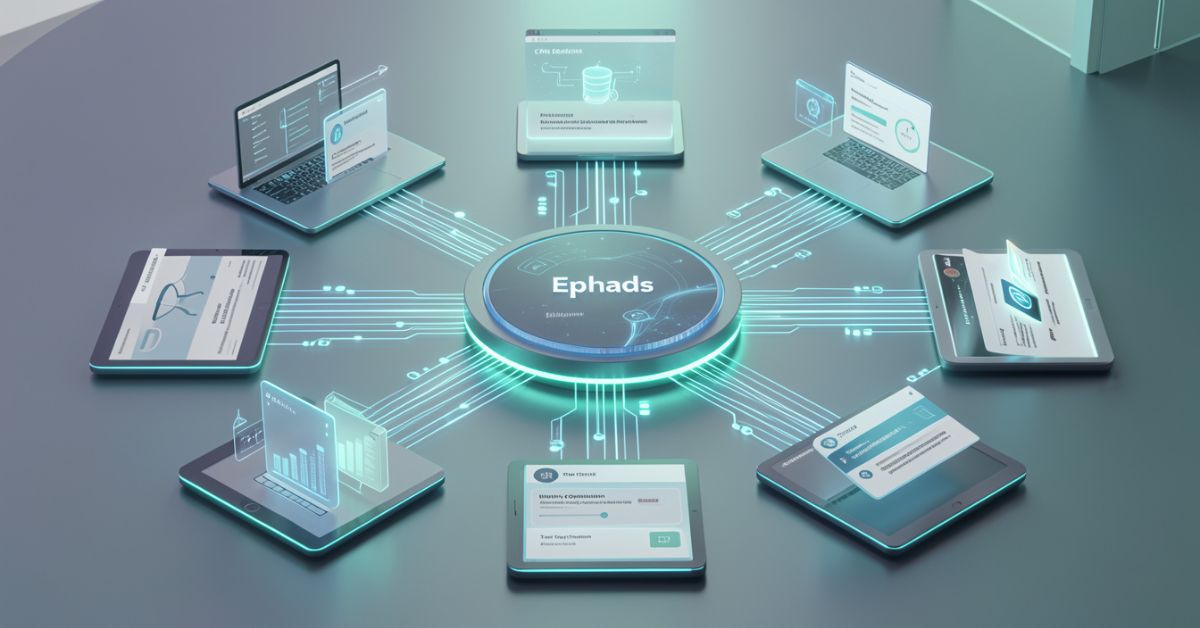
Modern workflows depend on automation, cloud integration, and collaborative tools. Ephads complement these systems by adding intelligence to the process.
In digital ecosystems, workflows often include:
- CRM platforms
- Project management software
- Cloud-based collaboration tools
- Data analytics dashboards
When integrated with adaptive logic, these tools can respond to user behaviour. For example, a CRM might prioritise high-engagement leads automatically, or a content platform may adjust recommended articles based on reading history.Rather than manually customising settings, systems optimise themselves in real time.
Technology Behind Ephads
Adaptive digital systems are powered by several technological layers working together.
Key technologies include the following:
- Machine learning algorithms
- AI-based predictive analytics
- Cloud computing infrastructure
- API-driven system integration
Machine learning allows systems to identify patterns in user behaviour. Predictive analytics then anticipates needs before the user explicitly requests them.
For example, e-commerce websites use adaptive engines to recommend products. Streaming platforms suggest content based on viewing history. Productivity tools reorganise dashboards based on usage frequency.The technical foundation may be complex, but the user experience becomes simpler.
Comparing Ephads to Traditional Systems
Traditional digital systems operate using predefined logic. Every user receives the same interface, navigation, and process flow.
Ephads-based systems operate differently.
| Traditional Systems | Adaptive Systems |
| Fixed interface layout | Dynamic layout changes |
| Manual customization | Automated personalization |
| Reactive updates | Proactive optimization |
| Slower learning curve | Faster task completion |
Traditional systems prioritise structure. Ephads prioritises adaptability.
This shift aligns with modern expectations for seamless digital experiences.
Real-World Applications of Ephads
The concept is already influencing several industries.In e-commerce, adaptive systems personalise product displays based on browsing history. In education platforms, lesson difficulty adjusts depending on student performance. In SaaS applications, dashboards reorganise to reflect user priorities.
Healthcare apps also implement adaptive systems. Fitness platforms tailor exercise recommendations. Financial tools adjust budgeting suggestions based on spending habits.Across industries, the goal remains consistent: reduce friction and increase relevance.
Benefits of Ephads for Businesses and Users
Adaptive systems create advantages for both users and organisations.
For users:
- Faster navigation
- Reduced search time
- More relevant content
- Personalised experiences
For businesses:
- Increased engagement
- Higher retention rates
- Improved conversion metrics
- Better operational efficiency
According to a 2024 McKinsey personalisation report, companies using advanced personalisation strategies saw measurable improvements in customer satisfaction and revenue performance.
Adaptive workflows contribute to these gains by aligning technology with human behaviour.
Challenges and Ethical Considerations
While adaptive systems offer advantages, they also present challenges.Privacy concerns remain central. Behavioral tracking must comply with data protection regulations such as GDPR. Users should maintain control over their data preferences.
Technical complexity is another factor. Implementing adaptive systems requires skilled development teams, secure data infrastructure, and ongoing monitoring.There is also a balance between personalisation and intrusion. Excessive adaptation may create discomfort if users feel over-observed.Responsible implementation ensures transparency and user trust.
How to Implement Ephads Principles in Your Organisation
Organisations interested in adopting adaptive workflows should follow a structured approach.First, conduct a workflow audit to identify inefficiencies. Determine where user behaviour insights could reduce friction.
Second, integrate analytics tools capable of capturing meaningful behavioural data.Third, introduce adaptive features gradually. Start with simple personalisation—such as rearranging frequently used tools—before expanding into predictive automation.Finally, monitor metrics continuously. Optimisation is an ongoing process, not a one-time update.
The Future of Ephads in Digital Innovation
As artificial intelligence continues advancing, adaptive systems will become increasingly sophisticated. Future developments may include real-time emotion recognition, predictive workflow sequencing, and cross-device continuity.
By 2026, adaptive personalisation is expected to become standard rather than optional. Businesses that adopt early may gain long-term competitive advantages.Digital ecosystems are moving toward intelligent responsiveness. it represent this transition.
FAQs
What does it mean?
It describes adaptive digital systems that learn from user behaviour.
Is ephads a product or a concept?
It is a concept describing modern workflow design.
How does improve user experience?
By adjusting interfaces and processes based on user patterns.
Is ephads powered by AI?
Yes, machine learning and analytics drive its adaptability.
Is personalisation safe?
It can be when implemented with strong data privacy practices.
Conclusion
Ephads represents a modern shift in digital design philosophy. Rather than static systems, adaptive frameworks prioritise user-centred evolution. By learning from behaviour and adjusting workflows automatically, digital platforms become more efficient and intuitive.
As technology advances, intelligent personalisation will shape the next generation of digital ecosystems. Organisations that embrace adaptive principles can enhance performance, improve engagement, and create more seamless experiences.