


Introduction
The Kennedy Funding lawsuit has drawn attention within commercial real estate and private lending circles due to allegations surrounding a $20,500,000 loan agreement and a prepaid interest payment. According to court filings, Kennedy Funding Lawsuit allegedly promised and agreed to provide a loan of $20,500,000.00 to the plaintiff, and the plaintiff paid one year of prepaid interest in reliance on that agreement.
The dispute raises important questions about commercial bridge loans, funding conditions, and contractual clarity in private lending transactions. While the legal process determines the facts and outcome, the case provides an opportunity to understand how high-value financing agreements work—and where misunderstandings or disputes may arise.
This article examines the background of the case, the mechanics of prepaid interest, legal principles involved, and what borrowers and investors can learn from similar disputes in commercial finance.
Background of the Dispute
Commercial real estate lending often involves complex agreements, particularly when the loan amount exceeds tens of millions of dollars.The plaintiff alleges that the financing commitment amounted to $20.5 million. Based on that commitment, the borrower reportedly paid one year of prepaid interest.
In private bridge lending, such structures are not unusual. However, disputes can arise if:
- Kennedy Funding Lawsuit conditions are not met
- Timelines differ from expectations.
- Certain contingencies remain unresolved.
- Contract language is interpreted differently by each party.
The central issue in this case appears to revolve around whether the loan obligations were fulfilled in accordance with the agreement.
Because commercial lending agreements are typically detailed and conditional, the resolution often depends heavily on written documentation.
Understanding Prepaid Interest in Private Lending
Prepaid interest is a mechanism commonly used in short-term or asset-based loans. Instead of paying interest monthly, the borrower pays a lump sum upfront covering a defined period—often one year.
In a hypothetical scenario:
- Loan amount: $20,500,000
- Annual interest rate: 12%
- One year prepaid interest: $2,460,000
That upfront payment represents a substantial financial commitment. Borrowers agree to such terms in exchange for faster approval or more flexible underwriting compared to traditional banks.
However, if Kennedy Funding Lawsuit does not proceed as anticipated, the status of prepaid interest becomes legally significant. Whether it is refundable often depends entirely on contract language.
How Bridge Loans Typically Work
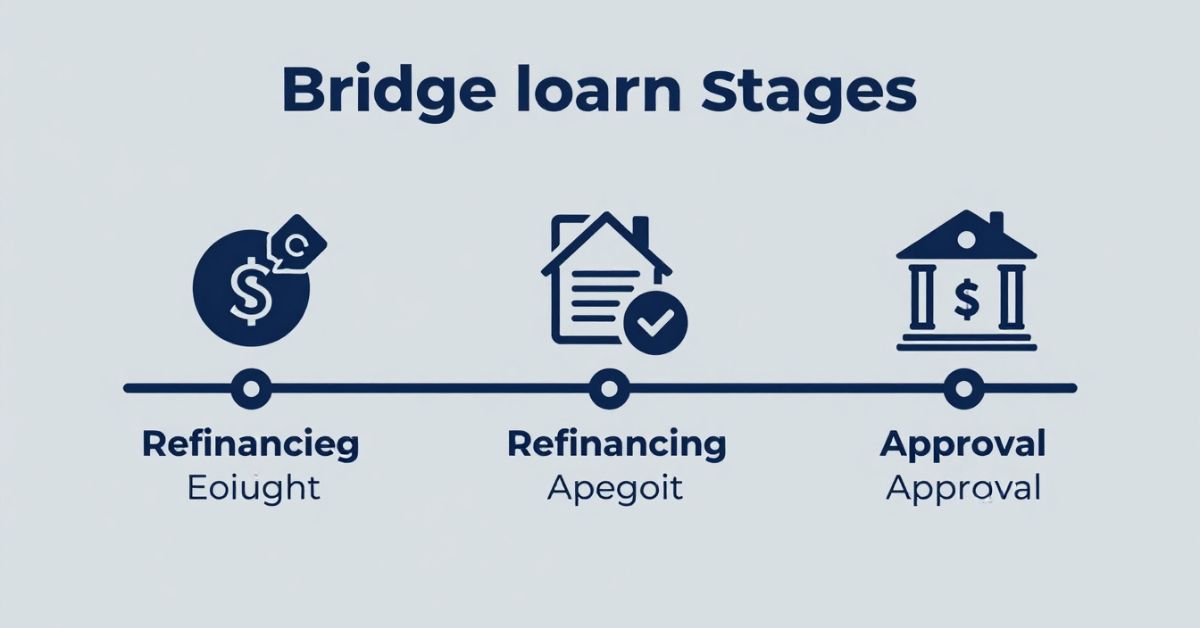
Bridge loans are designed to provide short-term capital, often for development projects or refinancing while long-term financing is arranged. They are usually structured with:
- Higher interest rates
- Asset-backed collateral
- Strict funding conditions
- Short maturity timelines
Unlike conventional bank loans, bridge lenders may focus more heavily on property value than borrower credit profiles.
Because of this flexibility, borrowers may accept stricter fee structures and higher risk. Disputes can arise when either side misaligns their expectations.
Key Issues in the Kennedy Funding Lawsuit
Commercial lending disputes commonly involve contract interpretation. Courts typically examine:
- The loan commitment letter
- Written agreements and amendments
- Communications between parties
- Conditions precedent to funding
- Fee refund clauses
The most common claims in such cases include breach of contract, misrepresentation, and unjust enrichment. However, outcomes depend on specific facts and contractual terms rather than general assumptions.
Legal experts o
ambiguities in language can have multi-million-dollar consequences.
Comparing Traditional Bank Lending and Private Bridge Lending
The dispute highlights broader differences between institutional banking and private commercial lending.
Traditional banks generally offer lower interest rates but require extensive underwriting, longer approval timelines, and strict regulatory compliance. Private lenders, on the other hand, may move faster and accept higher-risk projects—but at higher cost and tighter contractual conditions.
In private lending, prepaid interest is more common. While lawful, it can create tension if loan performance deviates from expectations.
This structural difference does not imply wrongdoing. Rather, it underscores why borrowers must understand the lending model they are entering.
Financial Exposure in Large Commercial Deals
When dealing with eight-figure loans, financial exposure is amplified. Even a relatively small percentage difference can translate into millions of dollars.
Borrowers must consider the following:
- Liquidity impact of upfront fees
- Risk of project delays
- Legal costs in dispute scenarios
- Opportunity cost of tied-up capital
Developers relying on bridge financing often operate within tight timelines. Funding uncertainty can affect contractors, permits, and refinancing strategies.
Therefore, clarity at the contract stage becomes critical.
Potential Outcomes in Commercial Lending Disputes
Most commercial finance disputes resolve in one of several ways:
- Settlement agreement between parties
- Court judgement
- Partial damages award
- Renegotiated loan structure
- Dismissal based on contractual interpretation
Because litigation is expensive and time-consuming, many high-value disputes conclude through negotiated settlement rather than full trial.
Regardless of the specific outcome, such cases often influence how future agreements are drafted.
Lessons for Borrowers
The Kennedy Funding lawsuit offers broader lessons for commercial borrowers.
First, always involve experienced legal counsel in multi-million-dollar agreements. Verbal assurances are never sufficient. Everything must be clearly written and reviewed.
Second, understand funding conditions in detail. Commitment letters often contain contingencies tied to appraisals, environmental reports, title clearance, or other requirements.
Third, clarify whether prepaid interest or fees are refundable and under what circumstances. If refund terms are not explicitly stated, ambiguity can lead to conflict.
Finally, document all communication. Written records protect both parties.
Lessons for Lenders and Investors
Private lenders must also ensure transparency and clear communication. Precise documentation protects institutions from litigation and reputational risk.
Investors observing such disputes should recognise that bridge lending carries inherent complexity. Higher returns come with higher structural risk.
Due diligence remains essential—not just on the project, but on the contractual framework itself.
Industry Impact and Broader Implications
As alternative lending continues to expand in 2025 and beyond, scrutiny of private finance practices is increasing. Regulatory bodies and courts increasingly examine fairness, disclosure, and compliance standards.
Cases like this do not necessarily indicate systemic issues. However, they reinforce the importance of:
- Transparent fee structures
- Clearly defined funding obligations
- Detailed risk disclosures
In an era where private capital plays a larger role in real estate development, contractual clarity is more important than ever.
FAQs
What is the Kennedy Funding lawsuit about?
It involves a dispute over a $20.5 million commercial loan agreement and a prepaid interest payment.
Is prepaid interest common in bridge loans?
Yes, particularly in private lending arrangements.
Can prepaid interest be refundable?
It depends entirely on the written agreement.
Are bridge loans riskier than bank loans?
They often carry a higher cost and conditional complexity.
Do most commercial loan disputes go to trial?
Many are resolved through settlement.
Conclusion
The Kennedy Funding lawsuit highlights the complexity of commercial lending, particularly when large sums and prepaid interest structures are involved. While the courts ultimately determine the legal outcome, the broader lesson is clear: clarity, documentation, and professional guidance are essential in high-value financial agreements.
For borrowers, the priority should be careful contract review and risk assessment. For lenders, transparent communication and detailed drafting reduce litigation risk.